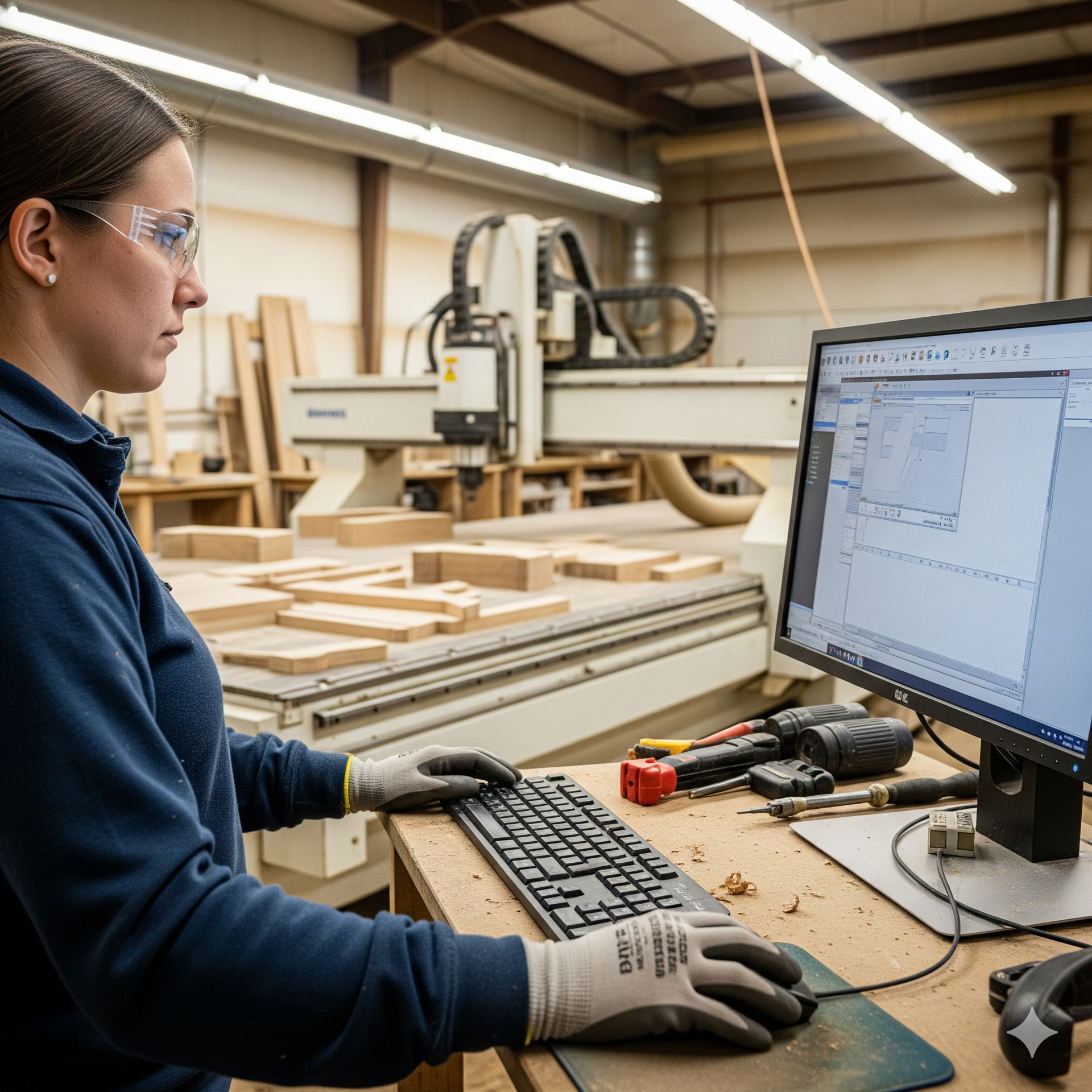
Maintenance Now, Momentum Later: How to Start the New Year with CNC Confidence
For most manufacturers, December brings two competing priorities: closing out current projects and preparing for the year ahead. It’s easy to let maintenance, calibration, or process reviews slide when everyone is racing to wrap up orders.
But taking a few hours now to tune up your CNC equipment, review workflows, and plan preventive service can save days of lost production in January. Unplanned CNC downtime can cost manufacturers as much as $260,000 per hour, according to research by Aberdeen. A small investment in maintenance now creates massive momentum later, with studies showing a 400% to 545% return on investment (ROI) for effective preventive maintenance programs.
At Diversified Equipment & Supply (DES), we see the same pattern every year: shops that invest in preventive service before the holidays start the new year smoother, faster, and with fewer interruptions. Here’s a practical checklist to help you do the same.
1. Inspect the Essentials
Even the most reliable router, edgebander, or press depends on routine checks to maintain precision and safety. Use this five-point year-end inspection as your baseline:
- Vacuum System: Verify hold-down strength and clean or replace filters. Weak vacuum performance can cause movement on thin or warped sheets, wasting material and potentially damaging tools.
- Spindles & Toolholders: Listen for bearing noise, inspect collets for wear, and confirm tool balance. Real-World Example: Replacing a $30 collet now can prevent a $3,000 spindle rebuild later, a failure often caused by the vibration of a worn tool holder. This simple check is the difference between a 15-minute replacement and a week of lost production.
- Lubrication & Air Systems: Check that automatic lubrication is cycling properly and drain water from compressors and air dryers. Moisture in lines shortens tool life and can lead to costly pneumatic component failure.
- Software & Backups: Back up all programs, machine parameters, and PC data. Verify controller software versions — older operating systems like Windows 10 are reaching end-of-support, creating unnecessary security and downtime risks.
- Dust & Chip Collection: Inspect hoses, gaskets, and bins. A clean system not only improves airflow but also prevents fine dust from contaminating sensitive components like linear guides and encoders.
2. Calibrate and Clean for Accuracy
The smallest misalignment can add hours of troubleshooting in the busy season. Ensure your machine is cutting accurate parts from the first sheet in the new year:
- Re-zero axes and verify table flatness.
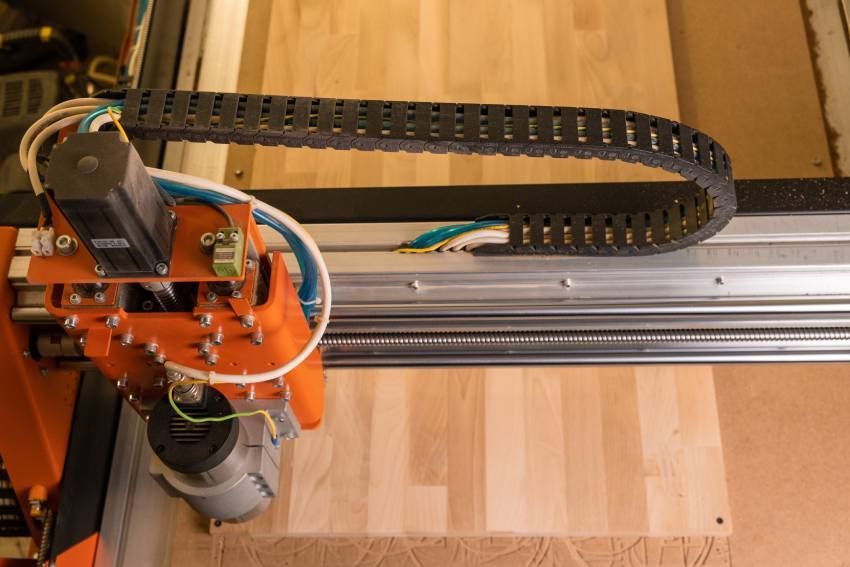
- Clean linear rails and guides to remove resin or plastic build-up.
- Re-establish tool length offsets and inspect probes for accuracy.
- Review tool libraries — retire dull tools and restock the most common sizes before your vendors’ lead times stretch in January.
3. Review Your Process for Efficiency
Maintenance is about more than machines — it’s also about how your shop runs. Before the year ends, step back and look at how work actually moves from order to finished part.
Ask these five process questions:
- Where are we losing time: setup, material handling, programming, or changeovers?
- Which tasks are still manual that could be automated or standardized?
- Are operators cross-trained to cover absences or turnover?
- Do our current toolpaths and nesting strategies minimize waste?
- Have customer specs changed without our workflow adapting?
Even small improvements like reorganizing sheet storage, standardizing cut files, or adding quick-change tooling can reclaim hours per week. DES can assist with on-site process evaluations to identify bottlenecks and recommend automation upgrades tailored to your operation size.
4. Schedule Preventive Service Before the Rush
Every January our service calendar fills quickly as shops discover issues they could have prevented in December. Booking maintenance now means you get priority scheduling and less disruption. The ROI is clear: companies with effective preventive maintenance programs report maintenance cost reductions of 12% to 18%. Don't wait for a breakdown to schedule your service.
DES factory-trained technicians can perform:
- Comprehensive inspections and spindle evaluations
- Controller updates and data backups
- Vacuum and dust-collection optimization
- Preventive maintenance packages for routers, edgebanders, and hot presses
Our goal is simple: keep your production predictable and profitable.
5. Update, Upgrade, or Plan Ahead
Use year-end downtime to think strategically:
- Software Updates: If your control PC still runs Windows 7 or 10, begin planning the transition. Obsolete systems create unnecessary downtime risk.
- Parts Inventory: Stock common maintenance parts — filters, seals, collets — so minor issues don’t become emergency calls.
- Equipment Planning: Review performance metrics. Are older machines holding you back? Start budgeting early for 2026 upgrades to take advantage of Section 179 and financing incentives next year.
- Training: Schedule operator refresh sessions or onboarding for new employees. Well-trained operators protect your investment.
6. Celebrate and Thank Your Team
None of this matters without the people who run the machines. Recognize the operators, programmers, and maintenance techs who kept production on track this year. Their attention to detail is the reason your customers come back. A quick team huddle to review successes and lessons learned reinforces a culture of improvement.
7. Turn Maintenance into Momentum
Preventive service and process reviews aren’t just about avoiding breakdowns — they’re about building confidence. When the first job of 2026 hits the floor, you’ll be ready to deliver without hesitation.
“A few hours of maintenance this month can save you days of downtime next quarter.”
Start 2026 with Confidence
Diversified Equipment & Supply helps manufacturers throughout the Southeast keep their CNC systems running at peak performance. From routine service to complete automation planning, our team can help you reduce downtime, extend machine life, and uncover new efficiencies in your process.
Schedule your year-end CNC inspection or service review today and enter 2026 ready to cut, rout, and deliver with confidence.
Year-End CNC Maintenance FAQ
Here are answers to common year-end maintenance questions that we get:
Q: Why is year-end the best time for major maintenance?
A: The end of the year often coincides with planned holiday shutdowns or a natural slowdown in production, providing a window of opportunity for maintenance without impacting critical deadlines. Scheduling service now also ensures you beat the January rush, when service calendars fill up quickly with emergency calls from other shops.
Q: How long does a comprehensive year-end inspection take?
A: The duration depends on the machine type and complexity. A basic inspection and calibration for a single CNC router can often be completed in a few hours. A full preventive maintenance package, including spindle analysis and controller updates, may take a full day. Contact DES to get a precise estimate based on your specific equipment.
Q: What is the single most important maintenance task I can do myself?
A: The most critical task is ensuring your lubrication and air systems are functioning perfectly. Checking that the automatic lubrication is cycling and draining all moisture from air lines are simple, non-technical tasks that directly prevent the most common and expensive failures in spindles and linear motion components.
Q: Can I use this downtime to train new operators?
A: Absolutely. Downtime is the ideal time for training. With the machine not under production pressure, operators can practice setup, tool changes, and running test programs. DES offers tailored training sessions that can be scheduled to coincide with your year-end service.