How to Prevent CNC Spindle Failure and Reduce Downtime in Cabinet Shops
For cabinet shops across the Southeast, CNC routers are the backbone of daily production. When a CNC spindle fails, it doesn’t just stop one job — it disrupts cutting schedules, delays installs, and creates unnecessary pressure on your team.
The good news: most CNC spindle failures are preventable.
With proper operator training, preventive maintenance, and consistent inspection routines, woodworking and cabinet manufacturers can significantly extend spindle life and avoid costly downtime.
Why CNC Spindles Fail (And How to Avoid It)
Modern CNC spindles are engineered for long service life. When failures occur prematurely, they are typically linked to operating conditions rather than defects.
Here are the most common causes of spindle damage in cabinet and millwork production environments:
1. Incorrect Feeds and Speeds
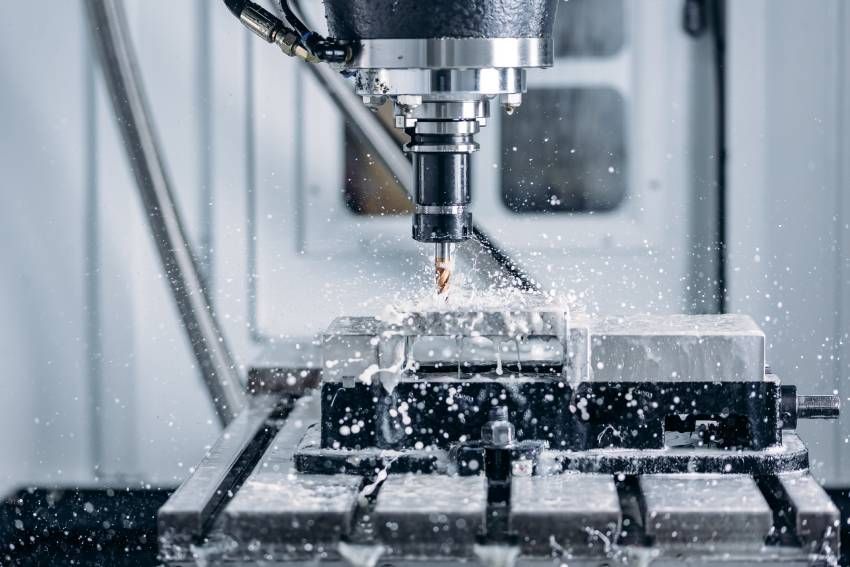
Improper programming generates excessive heat, especially when cutting plywood, MDF, or hardwood panels common in cabinet production. Over time, this stresses bearings and shortens spindle life.
2. Tooling Imbalance and Excessive Overhang
Unbalanced tools, incorrect pull studs, or long tool stick-out increase vibration and load on front bearings. In nested-based manufacturing environments, this can show up as chatter or reduced edge quality before failure occurs.
3. Skipping Warm-Up Cycles
Spindles rely on proper thermal expansion. Skipping warm-up routines during busy mornings or second shifts can accelerate internal wear.
4. Inconsistent Maintenance
Cooling systems, air filtration, and lubrication systems must remain clean and properly serviced. Contaminated air or neglected filters are common contributors to premature spindle wear.
The Hidden Risk: Operator Turnover in Growing Shops
Cabinet shops throughout the Southeast continue to grow — and with growth comes new operators.
Without structured training and documented procedures, small variations in operation can compound over time. Protecting spindle longevity requires:
- Clear warm-up standards
- Defined tooling protocols
- Documented maintenance schedules
- Refresher training for new hires
Consistency protects equipment.
The True Cost of CNC Spindle Failure
Spindle failure is not just a repair event.
It impacts:
- Production throughput
- Install schedules
- Labor efficiency
- Customer satisfaction
Preventive spindle care is significantly more cost-effective than emergency replacement and downtime recovery.
CNC Spindle Maintenance Checklist for Cabinet Shops
To make this practical, here’s a simplified framework cabinet shops can implement immediately:
Daily
- Run proper spindle warm-up cycle
- Listen for unusual noise or vibration
- Inspect tool holders for wear or imbalance
Weekly
- Check air filtration and lubrication systems
- Inspect cooling system performance
- Review feeds and speeds against material type
Monthly
- Inspect bearings and run vibration checks
- Review maintenance logs
- Verify pull studs and tool holders are within spec
Your CNC Spindle Support Partner in the Southeast
Diversified Equipment & Supply works with cabinet and millwork shops across the Southeast to improve CNC reliability, operator training, and preventive maintenance processes.
If you’re unsure whether your current spindle care practices are protecting your investment, we can help you evaluate your setup and identify opportunities for improvement.
Schedule a CNC Spindle Health Review
Our team will:
- Review your current maintenance routine
- Evaluate common risk factors
- Provide practical recommendations tailored to your shop
Book a Spindle Health Review Call Today