The CNC Workflow That Helps Cabinet Shops Handle More Custom Work
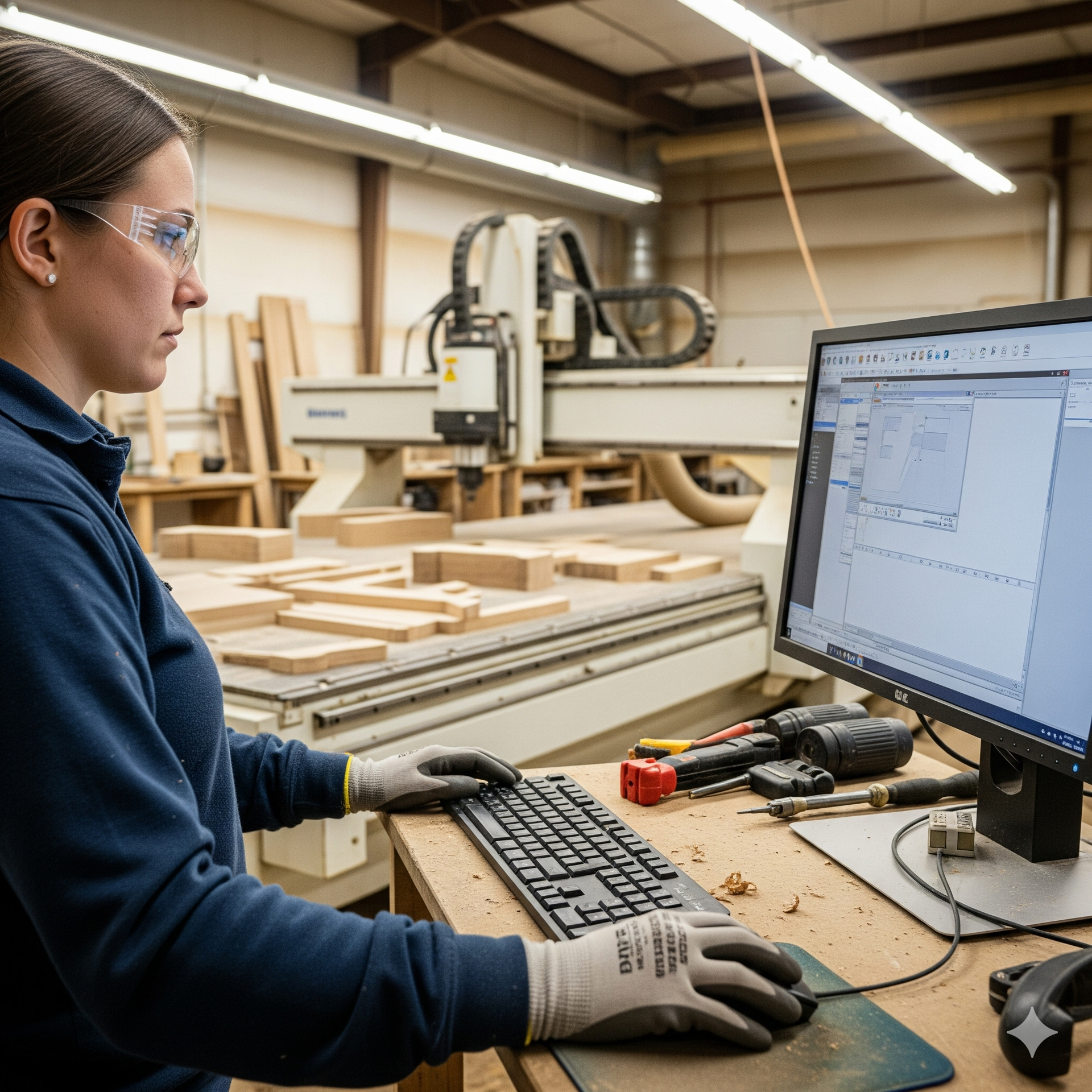
Woodworking and fabrication shops across the Southeast, especially in states like North Carolina, South Carolina, Georgia, Tennessee, Florida, and Virginia, are seeing a steady demand for customized products. It places operational strain on CNC workflow for cabinet shops as every job is different, whether they supply cabinets, closets, millwork, or entry doors.
Custom work brings higher margins, but production tends to slow down rather than scale up when CNC wood router machines don’t have parametric CNC programming. The program works with most machines, but the biggest factor is workflow and software setup. A cabinet shop can handle variables quickly and smoothly without additional skilled labor.
Why Custom Work Creates a Bottleneck as You Grow
Scaling a cabinet shop is the objective of every business owner, whether you are in NC, SC, GA, TN, FL, or VA. Many shops continue to handle the variations of custom work manually, which works until volume increases. Then it becomes disruptive to the CNC workflow of cabinet shops, leading to increased operational expenses and an inability to meet client deadlines. Reasons for custom work bottlenecks include:
- Excessive setup time, such as manual calibrations, fixture adjustments, and frequent tool changes.
- Overdependence on experienced operators.
- Unoptimized toolpaths resulting in inadequate feed rates, unnecessary tool movements, and excessive cutting passes.
- Imbalance in production flow due to differing machining speeds across workstations, resulting in some machines finishing projects faster while others fall behind.
How can you improve your shop’s CNC workflow? Invest in quality
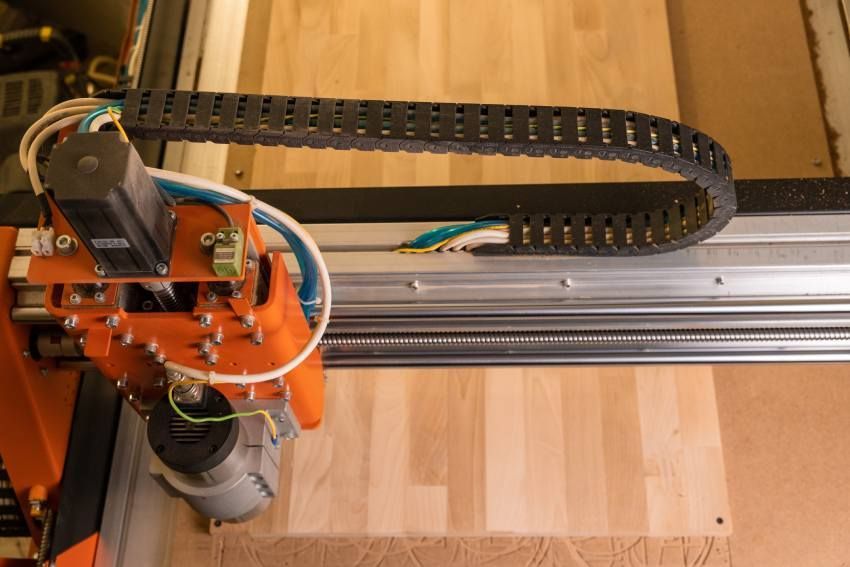
CNC wood router machines, consider
CNC equipment upgrades, implement a comprehensive maintenance plan, and be open to continuous training. Upgraded CNC equipment has improved software, delivers higher quality products, and has faster turnaround times.
How Shops Handle More Variation Without Reprogramming Every Job
It is essential to maintain the CNC workflow for cabinet shops without having to reprogram the system for every job. How is this possible? Parametric CNC programming is the answer. It is an advanced form of CNC programming that allows you to define the following as variables (parameters) rather than fixed values:
- Cabinet dimensions
- Material thicknesses
- Hardware locations.
When you change a single variable, such as total width or height, the software automatically recalculates corresponding component sizes, joinery, and CNC router hole patterns. You can quickly adapt your production process to meet the next client’s specifications.
DES is ready to provide
CNC operation training for your team, including parametric CNC programming. Our hands-on training is customized to your company, operations, and staff.
What Happened When a Florida Door Manufacturer Changed Their CNC Setup
DES worked with a manufacturer in Florida who faced a challenge when they expanded into fully finished entry doors. Manual adjustments made the workflow inefficient, as each door order required different hinge locations, locksets, and dimensions. By optimizing their CNC setup and implementing a parametric workflow, they were able to:
- Reduce setup time
- Eliminate layout errors
- Simplify operator input
- Scale production without adding complexity.
Cabinet shops, closet manufacturers, and millwork operations across North Carolina, Georgia, and beyond, dealing with high variability and tight turnaround times, can follow the same approach for continued success.
What Your Shop Gains When Production Stops Fighting the Work
Standardizing custom work enhances CNC workflow for cabinet shops. Features such as parametric programming allow the production process to stay consistent when variables change. What other benefits does your business receive?
- Programming errors are minimized, saving production time and materials.
- The CNC system and workshop adapt quickly to start a new order.
- The quality of cabinetry products increases.
- Production material waste decreases.
- CNC setup time reduction cuts labor costs.
- Staff resources are utilized more effectively across the workshop and business.
- The cabinet shop’s reputation is enhanced as delivery times are met.
- The cabinetry order book takes on additional work.
- The business increases its product offerings.
Parametric programming is not only for large cabinet shops. It also benefits small and mid-sized shops across the Southeast because it simplifies training and reduces reliance on highly skilled labor.
CNC workflow for cabinet shops can be improved. Our Florida client successfully expanded their product offering by standardizing the shop’s workflow with parametric CNC programming. You can too.
Contact DES today for a strategic partner with solutions that help your business maximize profitability.